Blog do IFZ | 26/06/2026
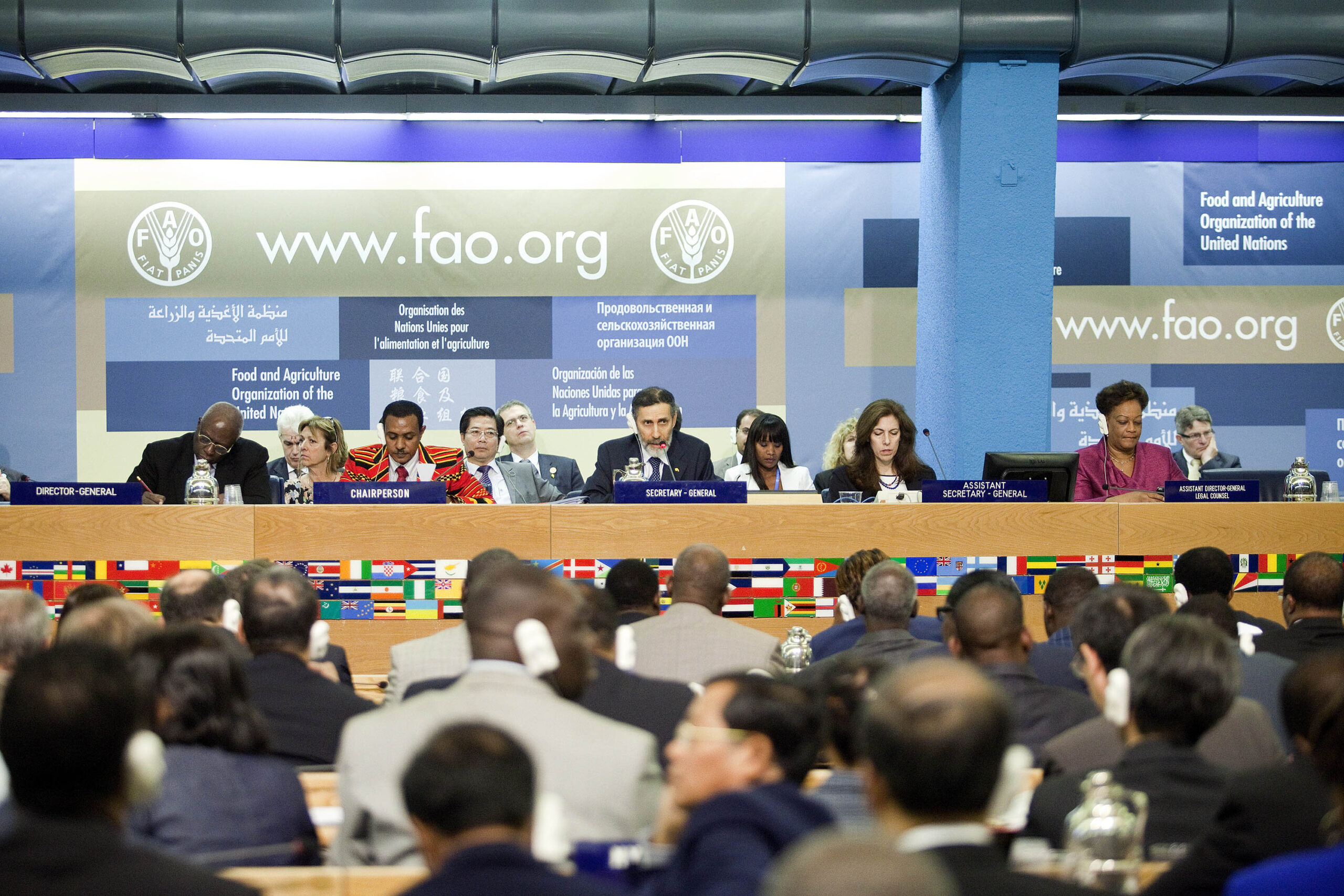
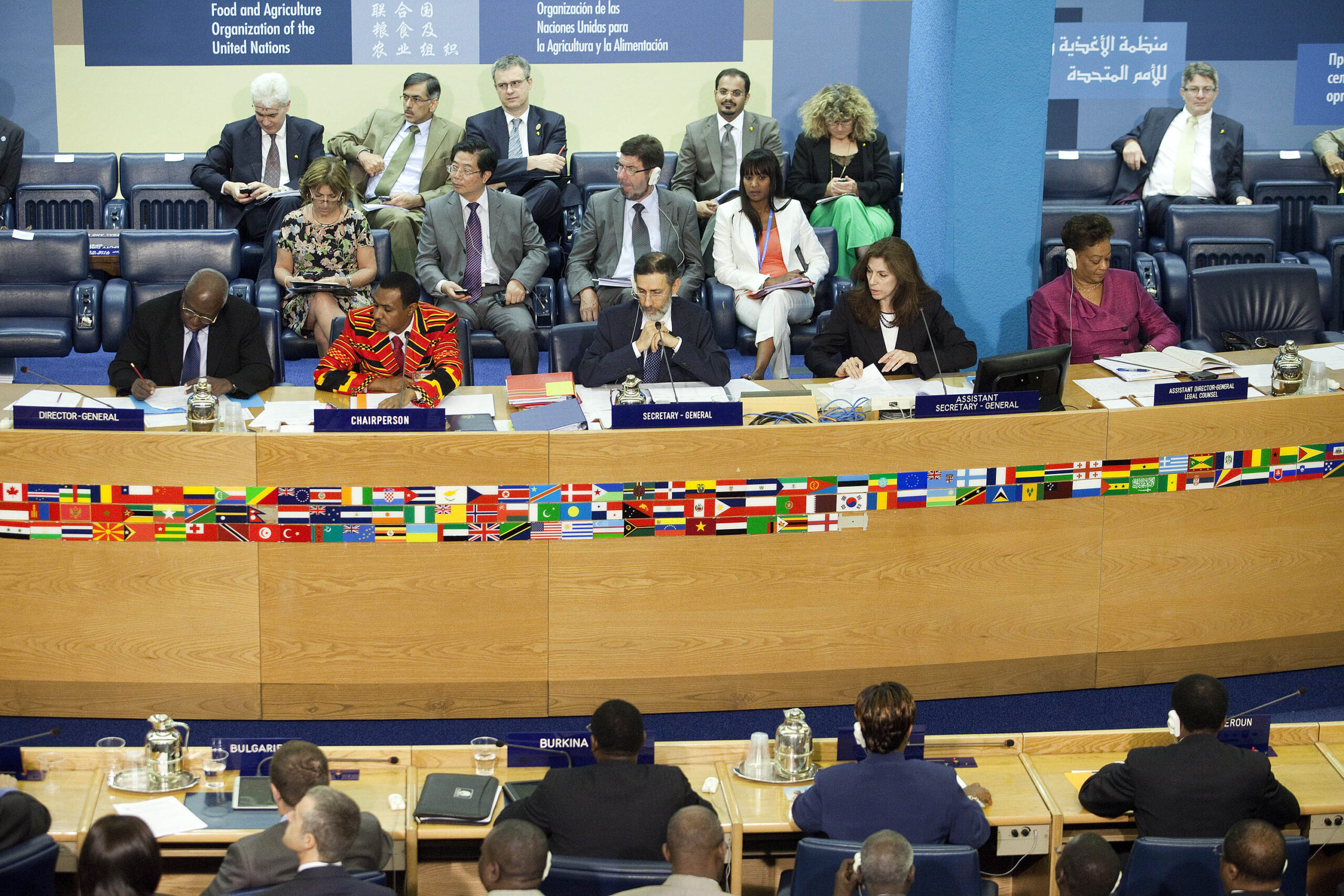
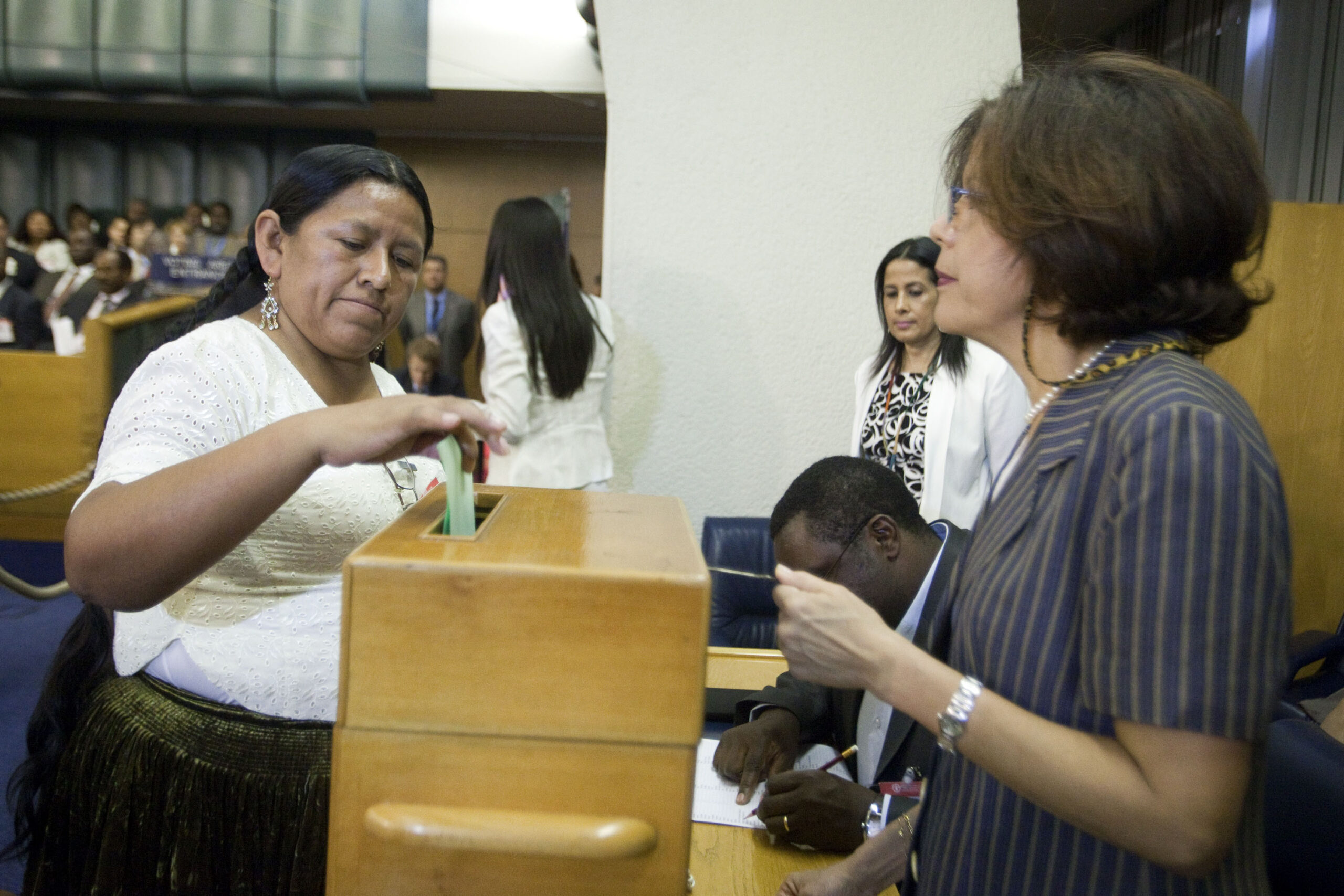
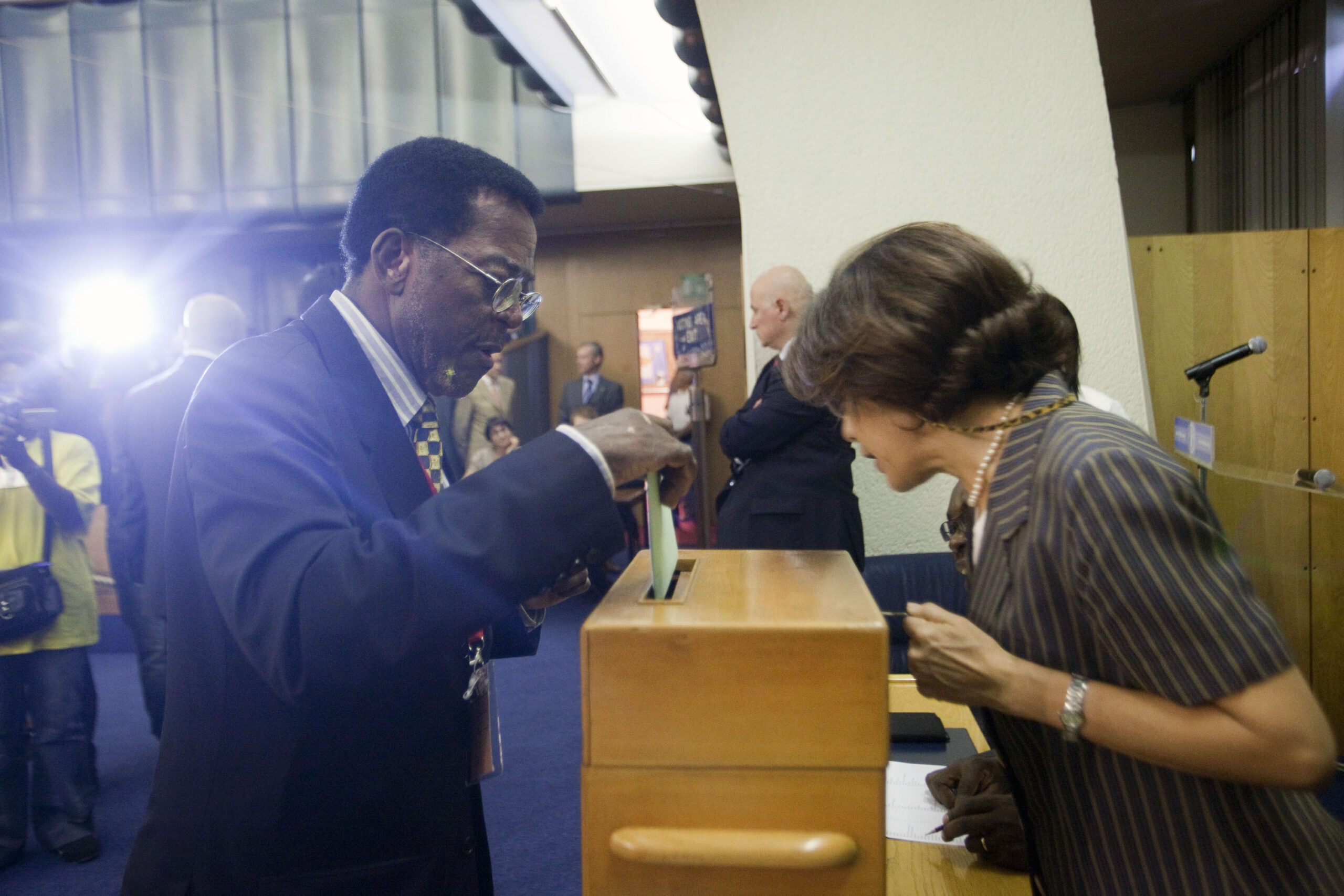
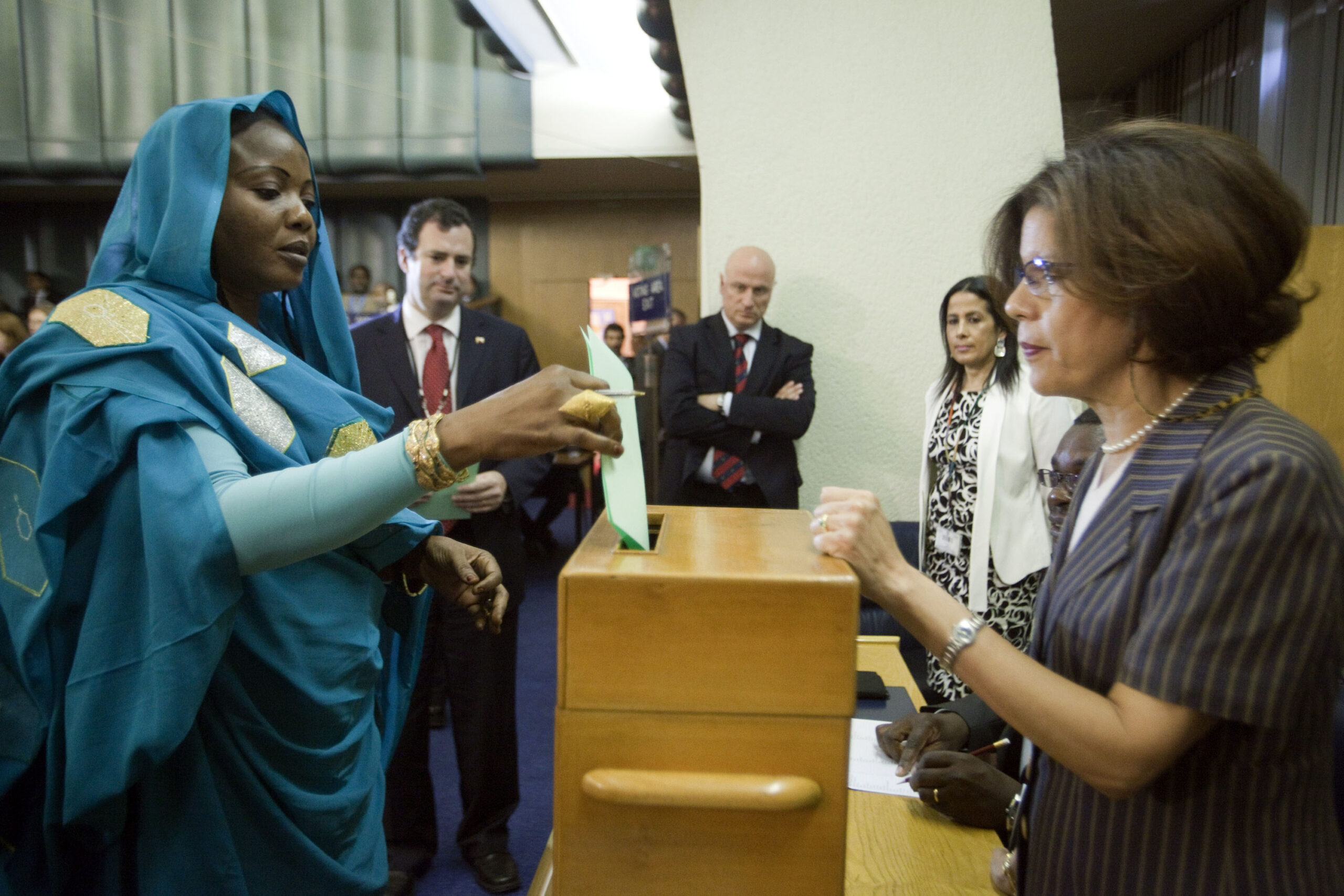
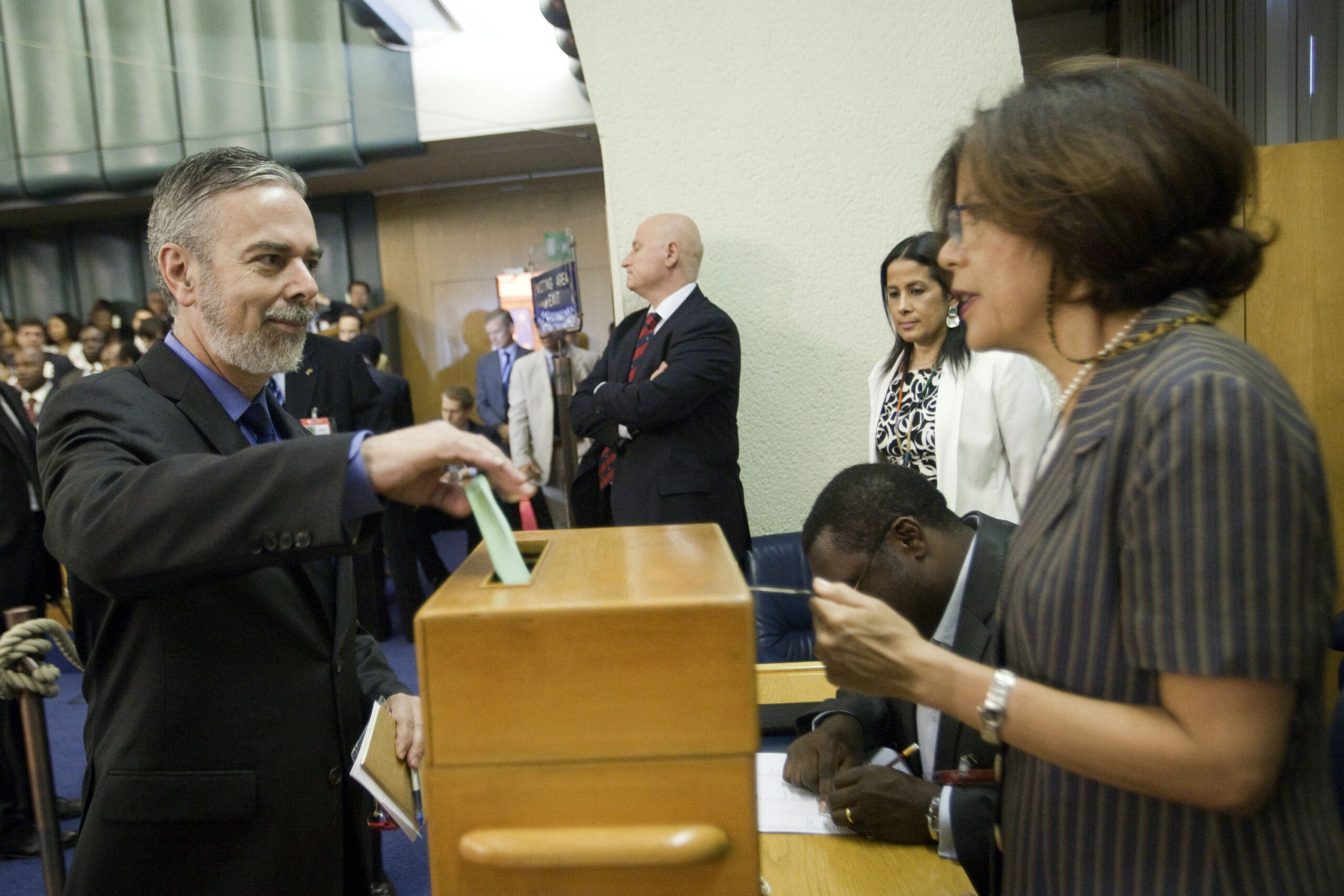
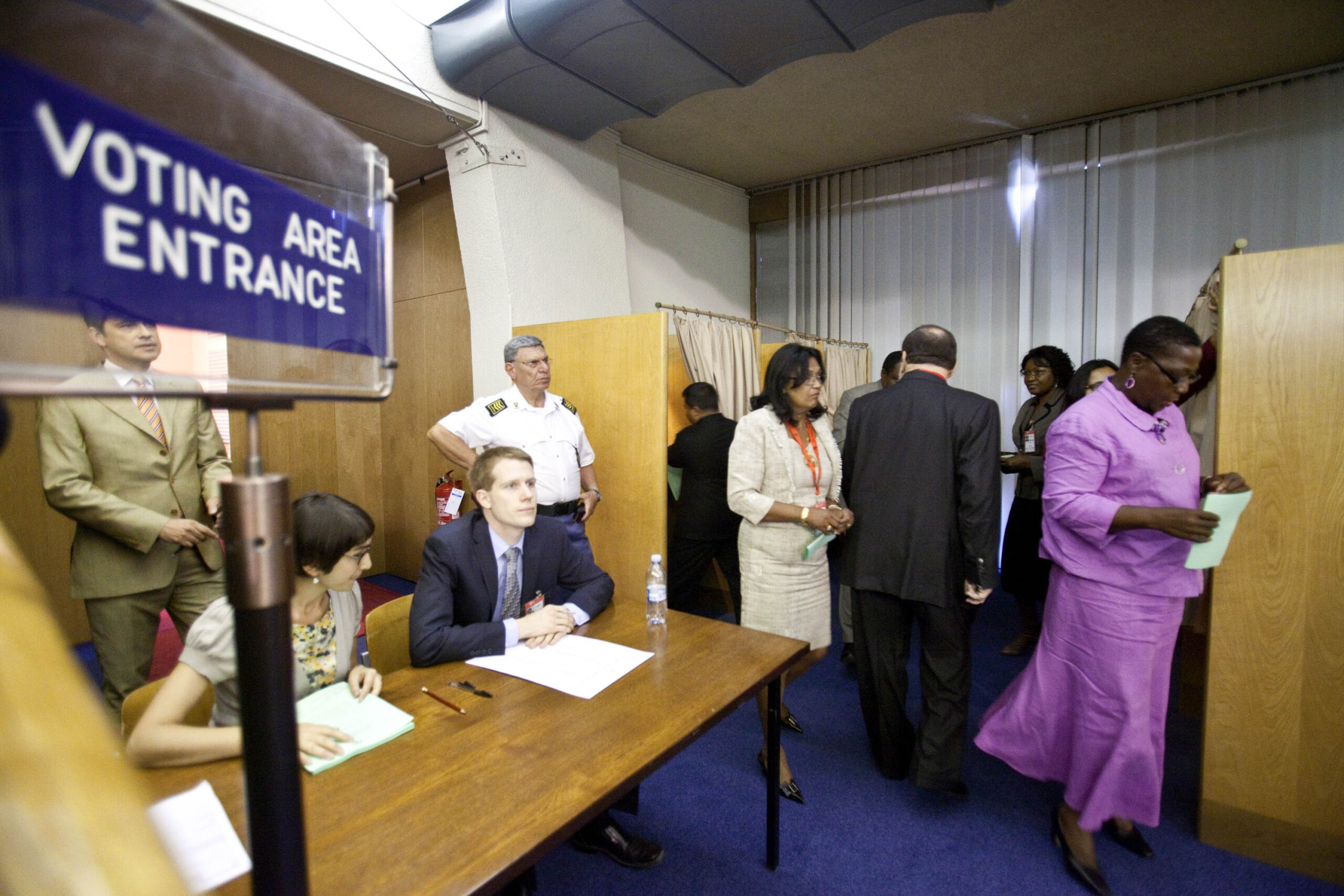
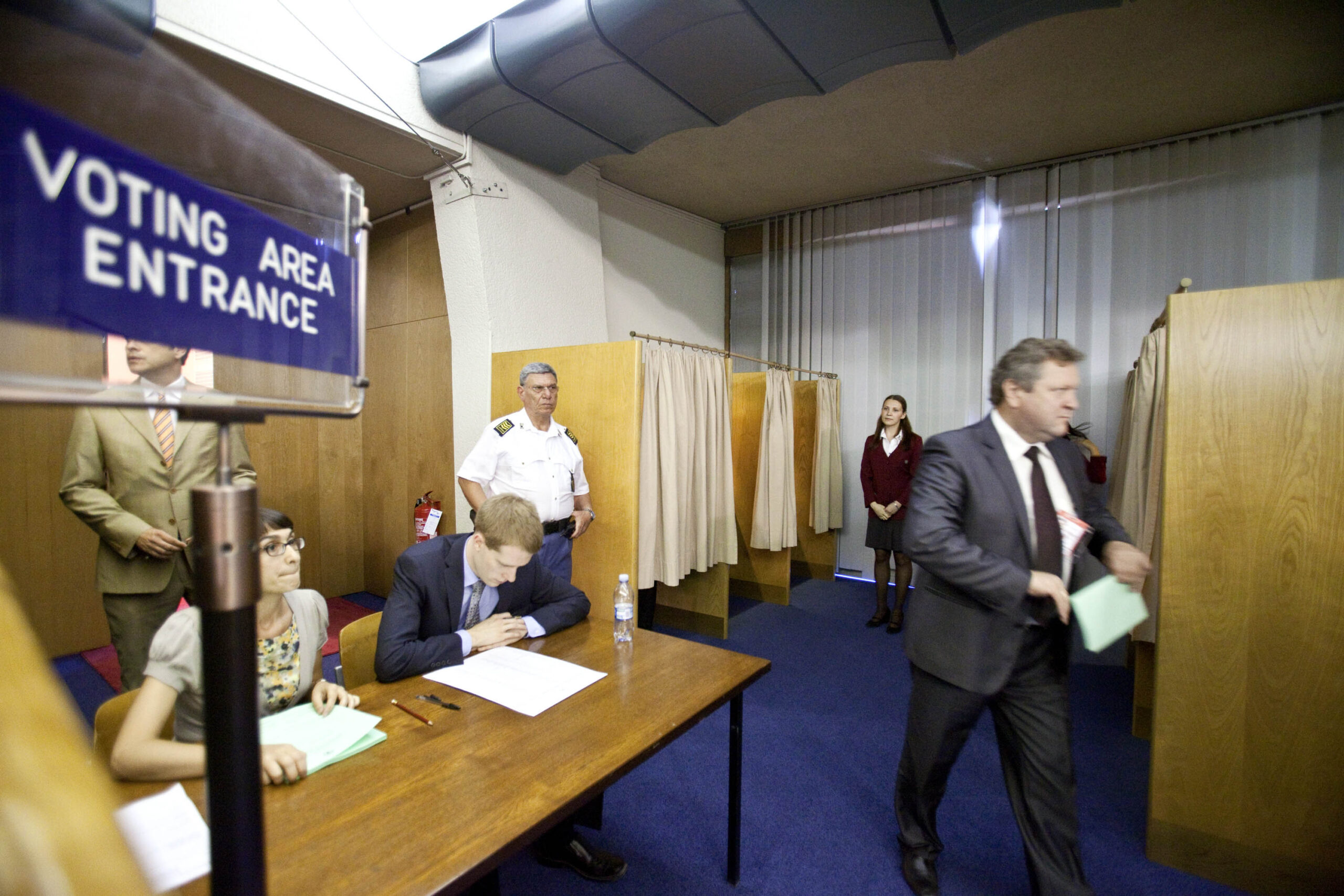
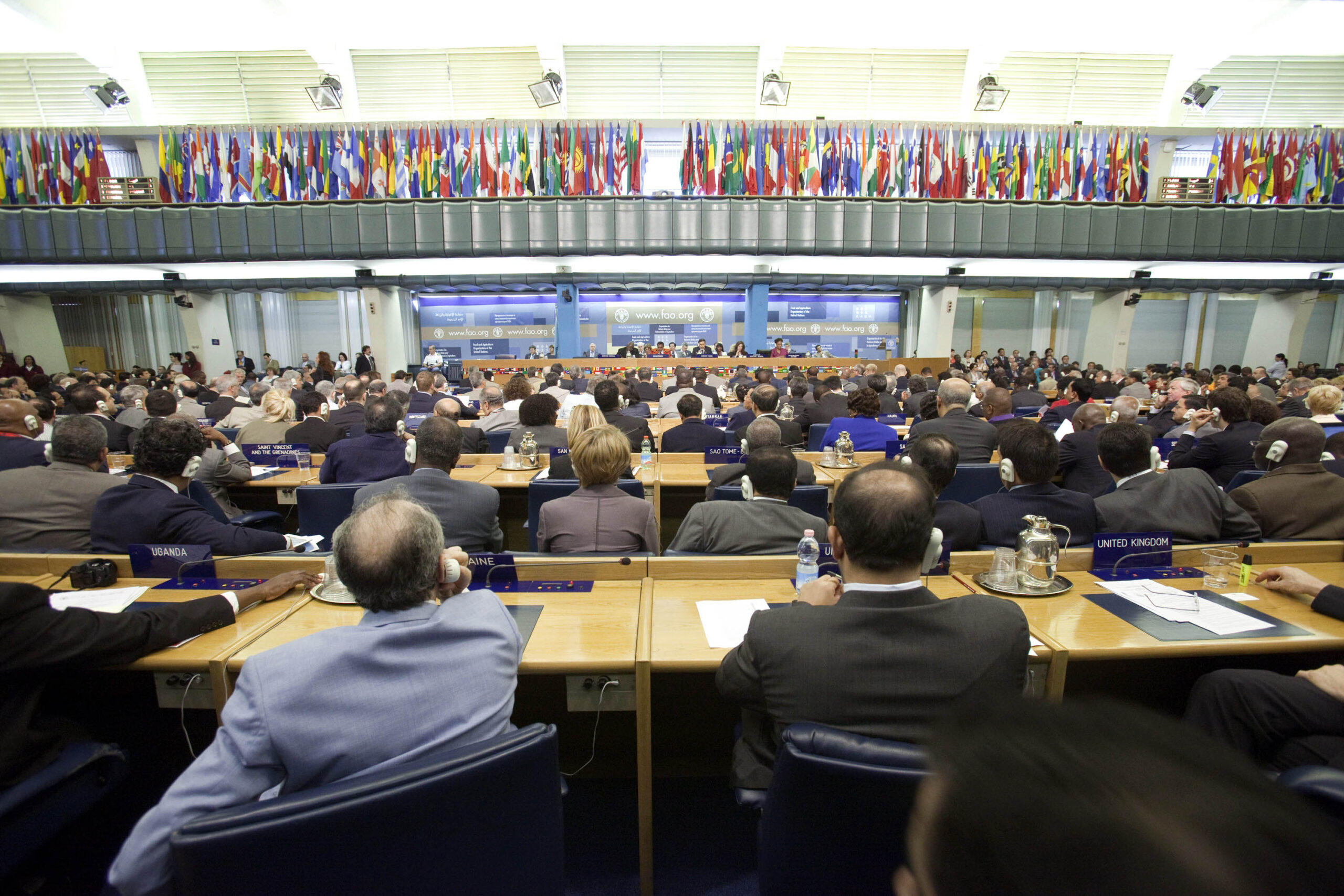
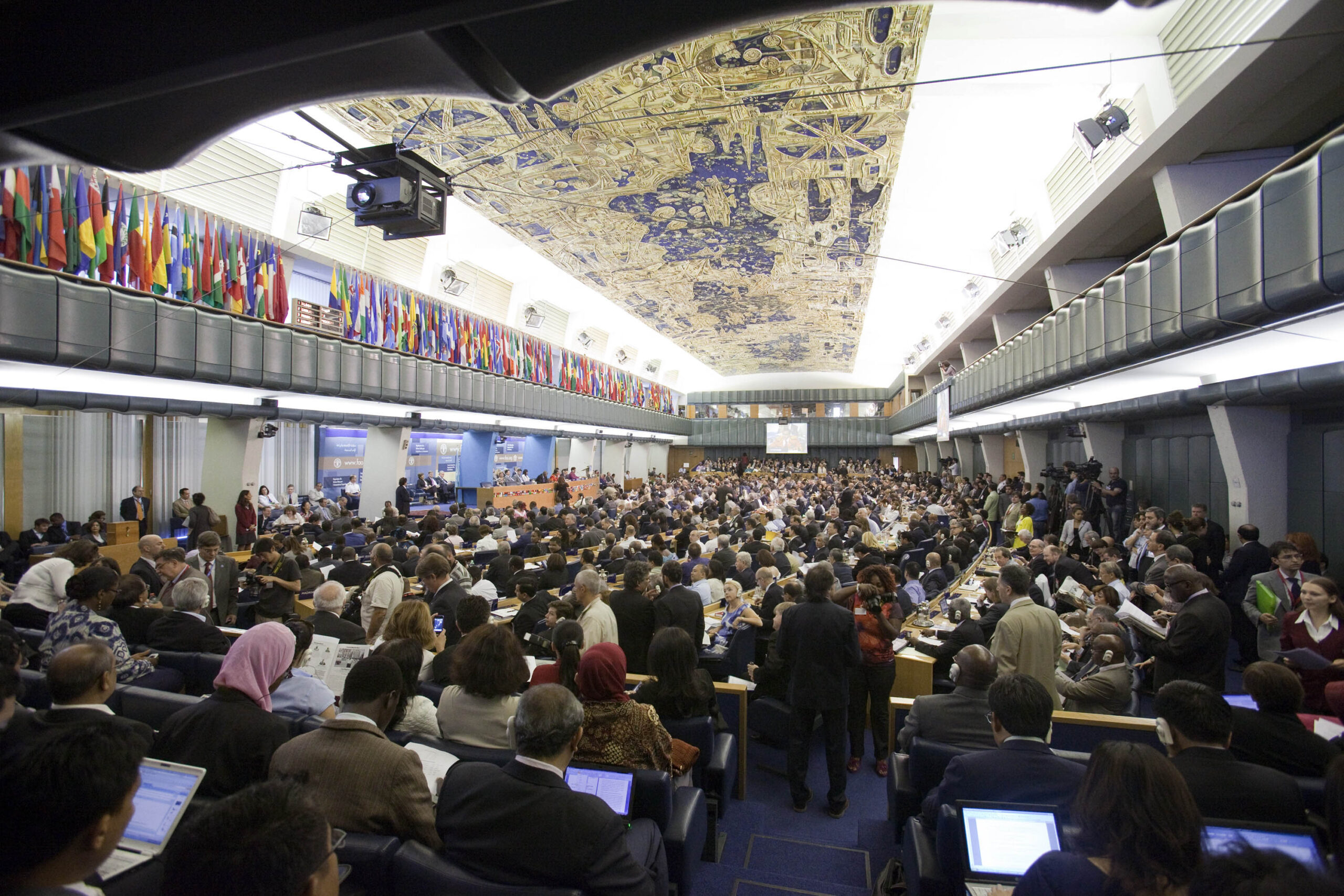
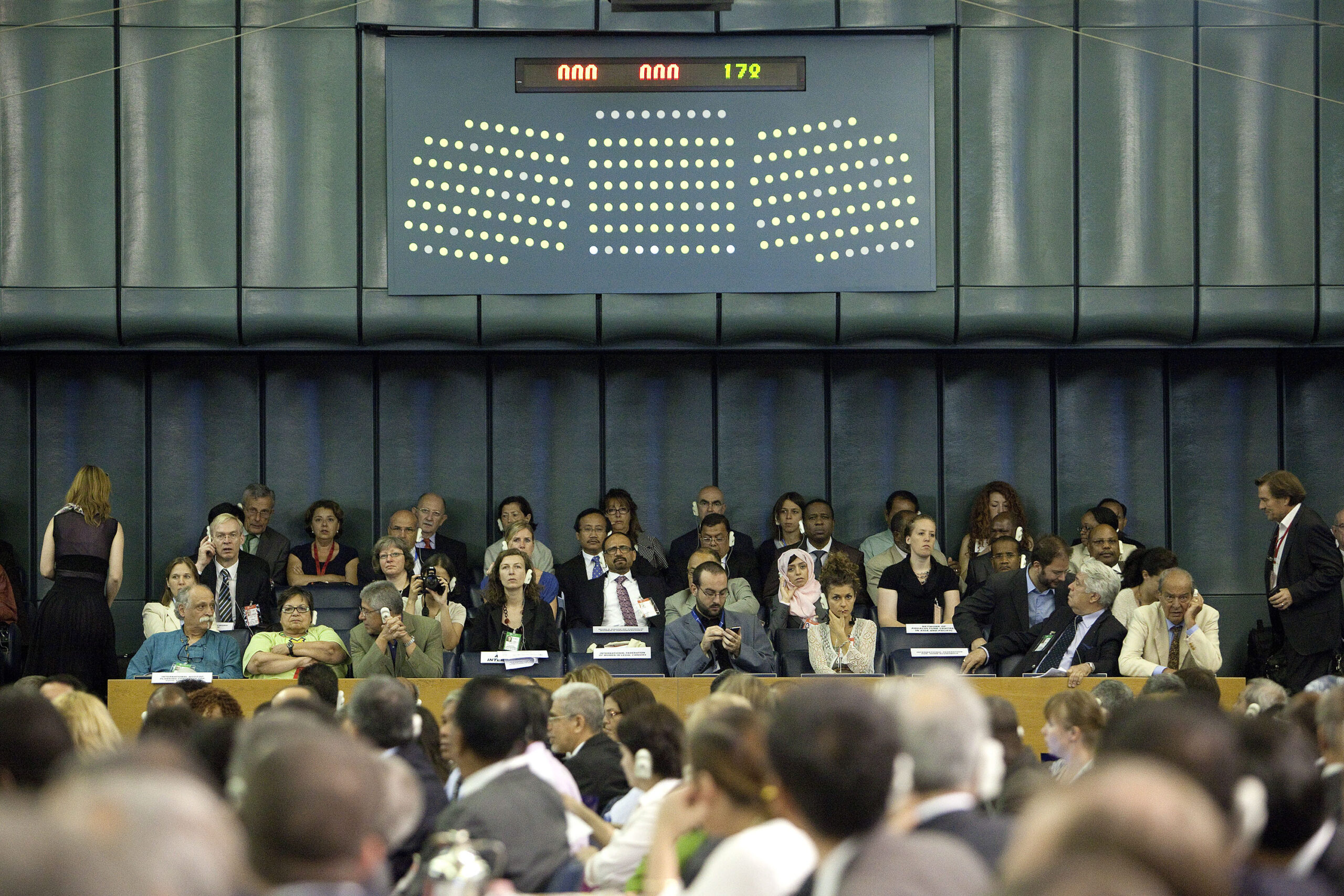
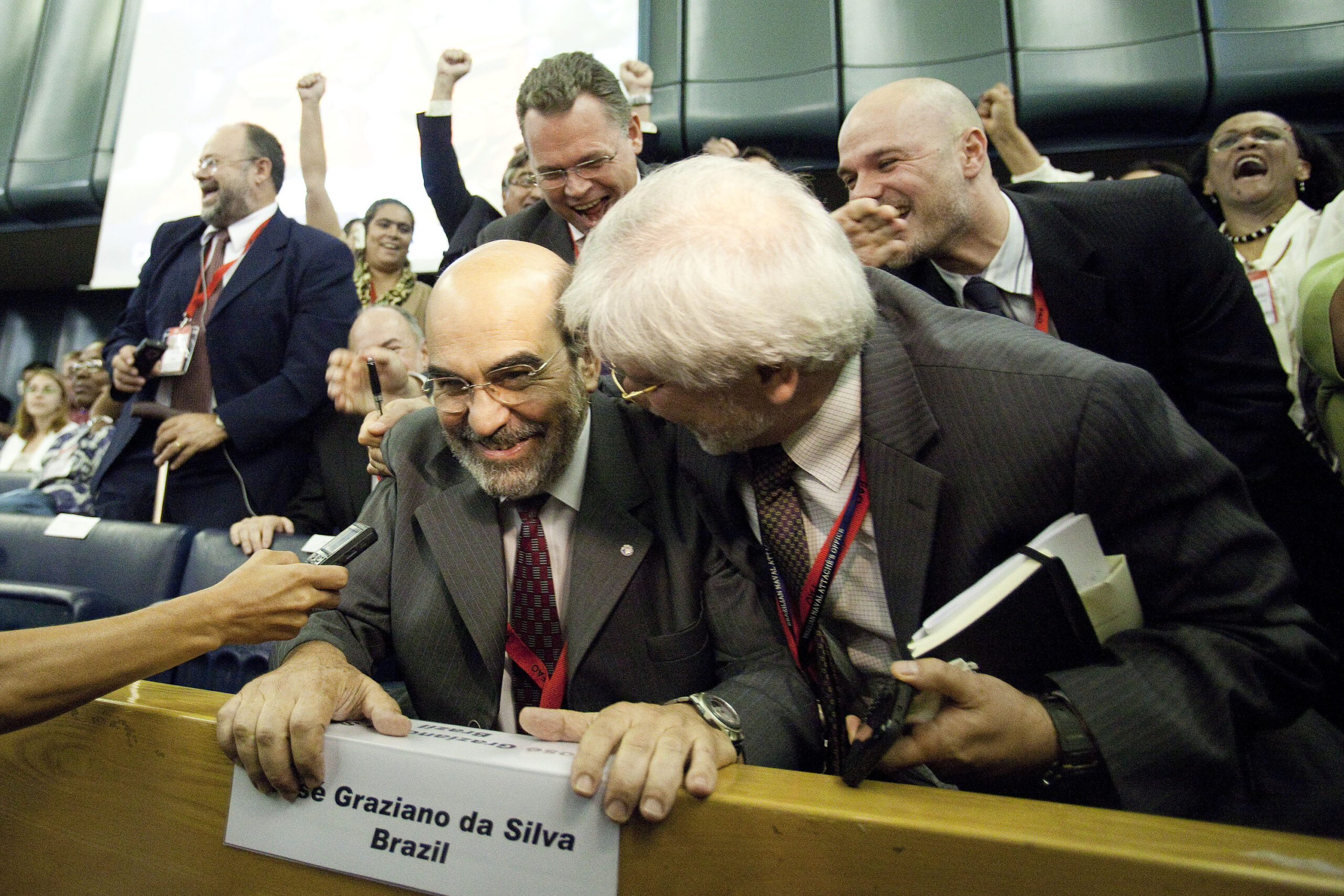
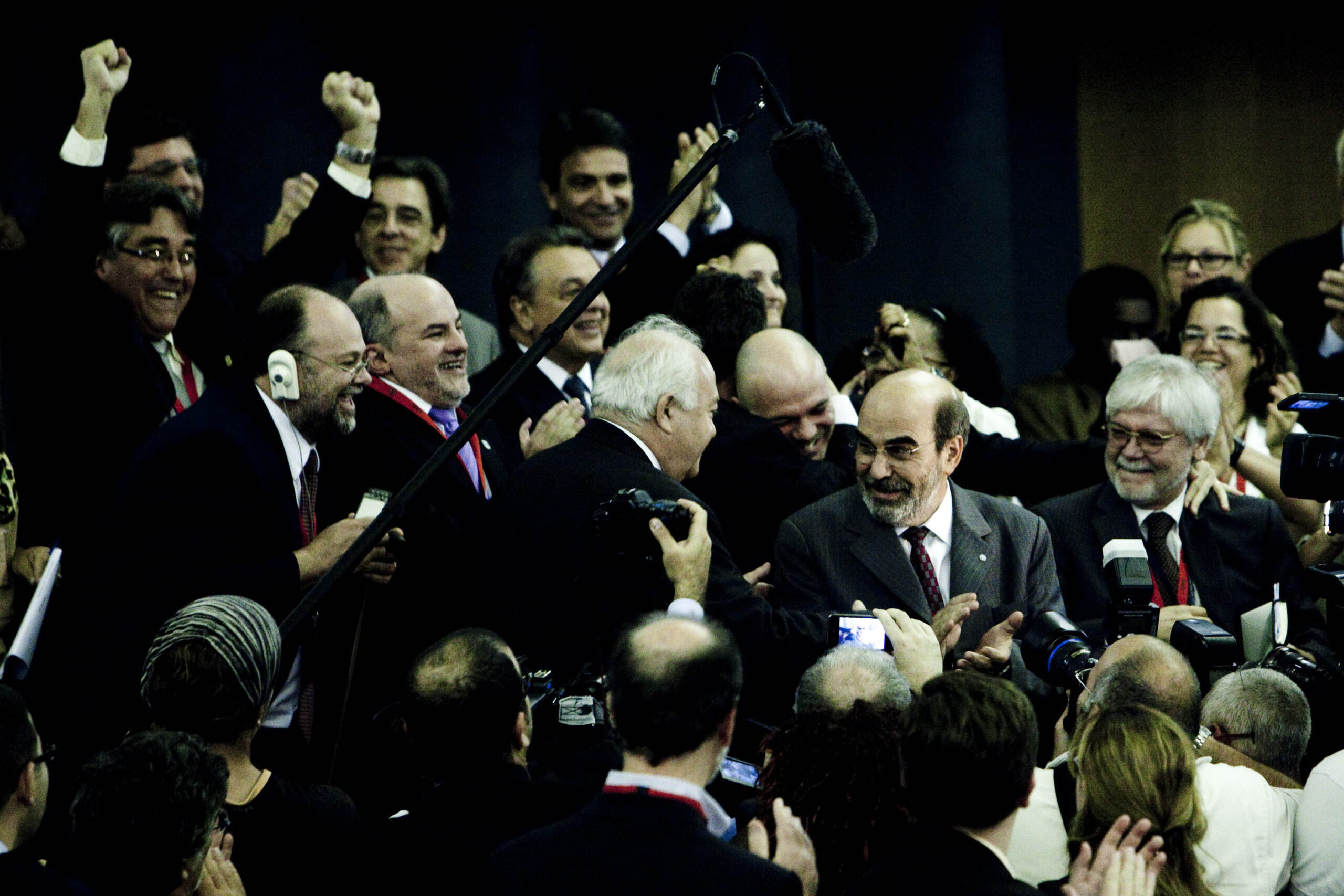
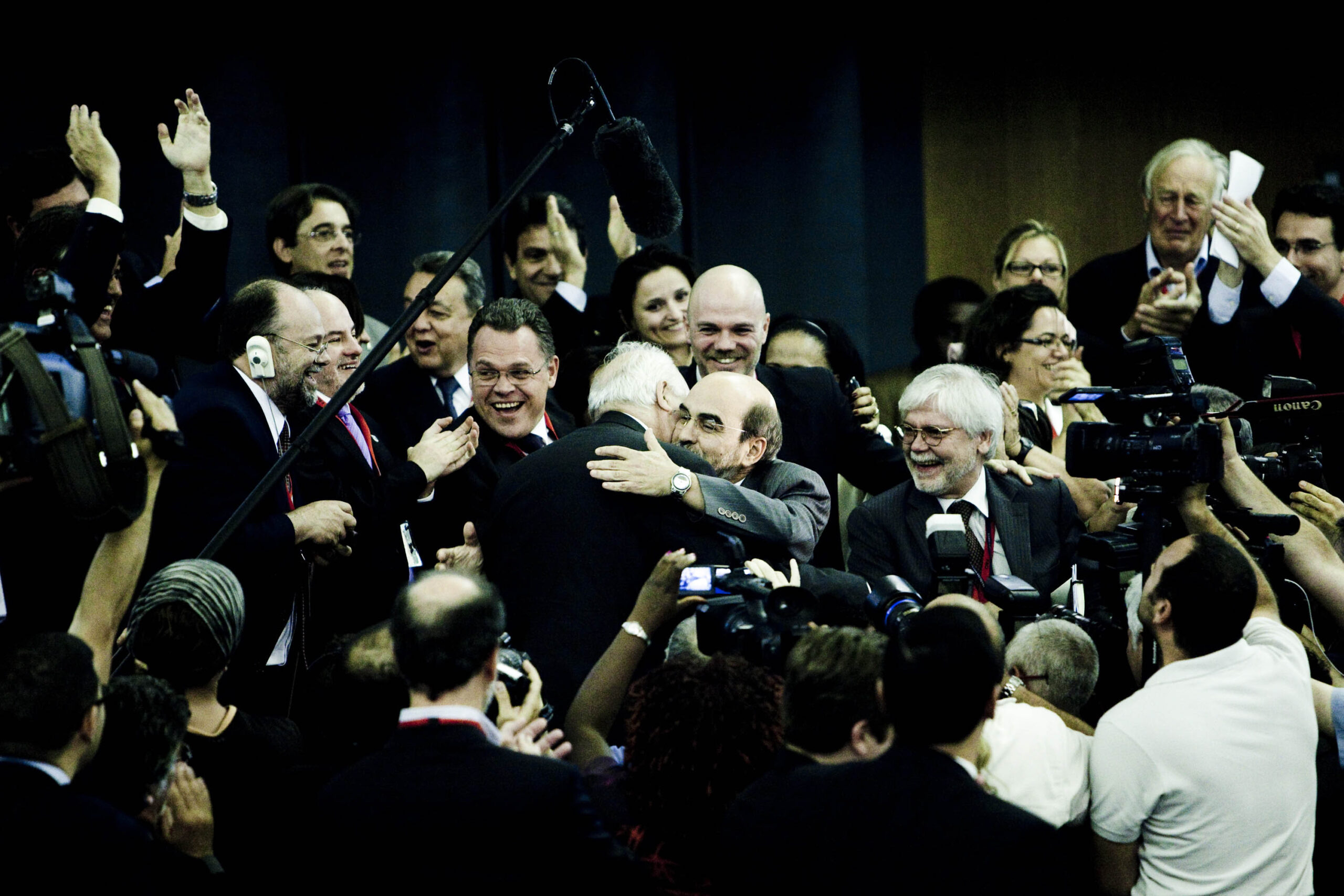
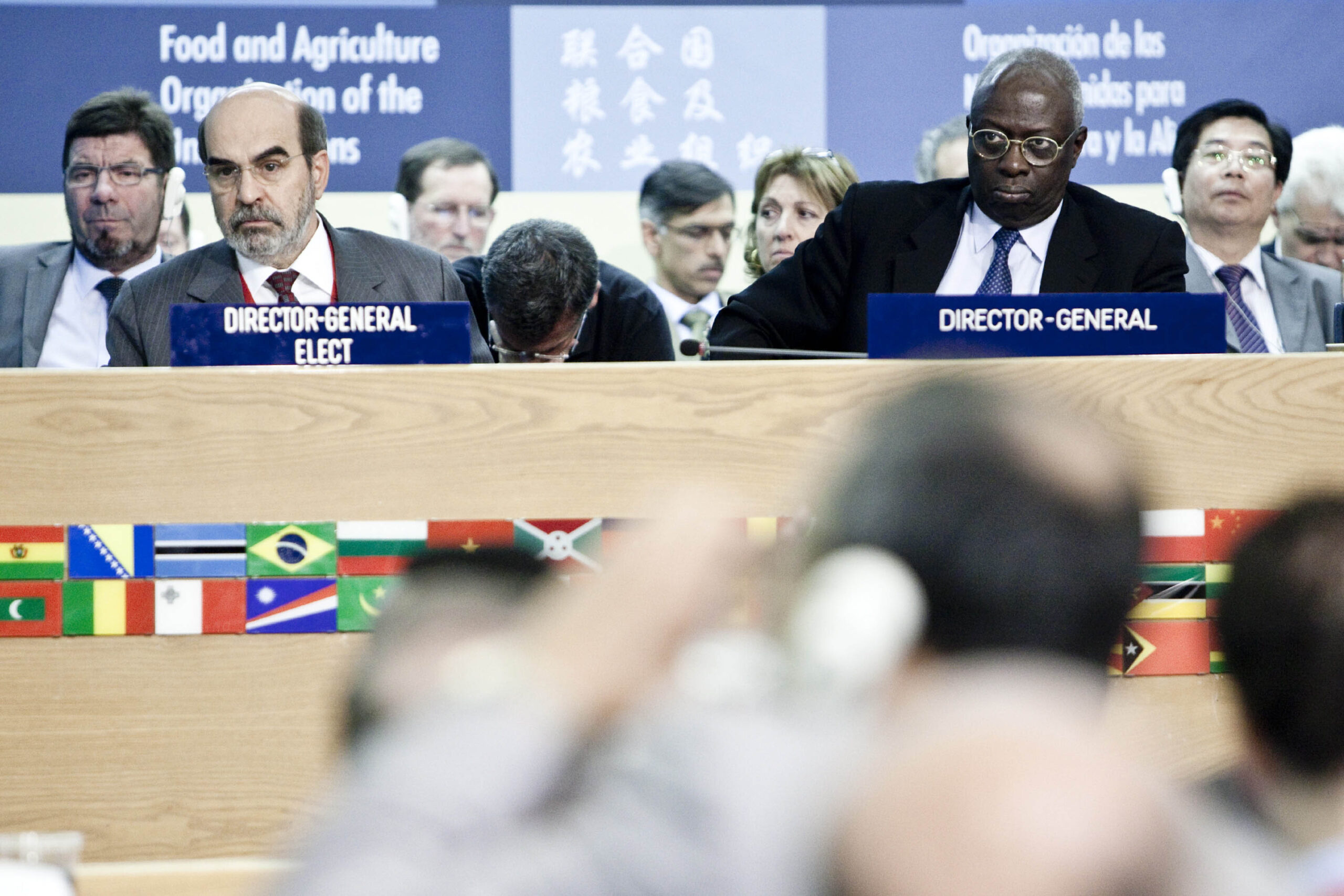
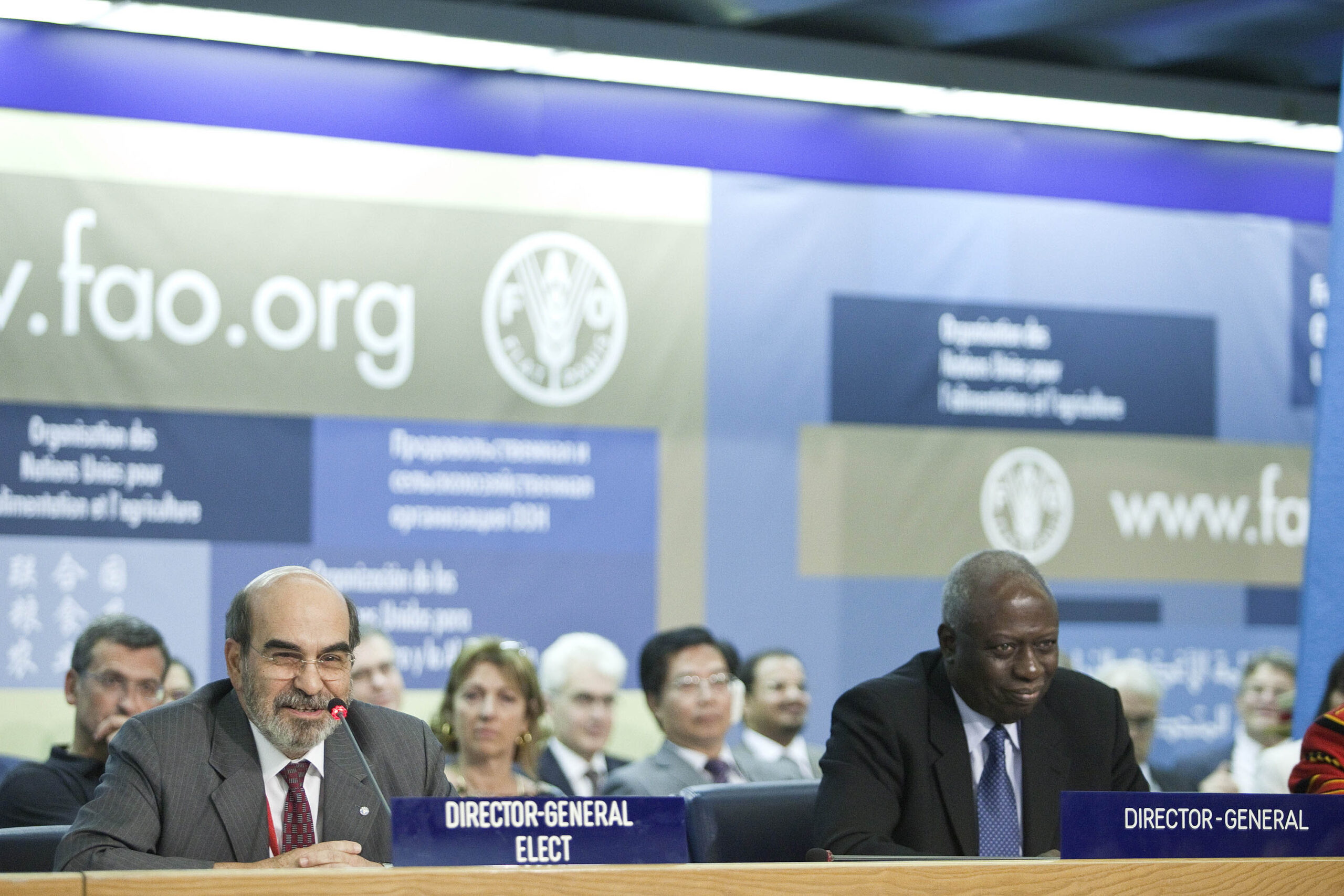
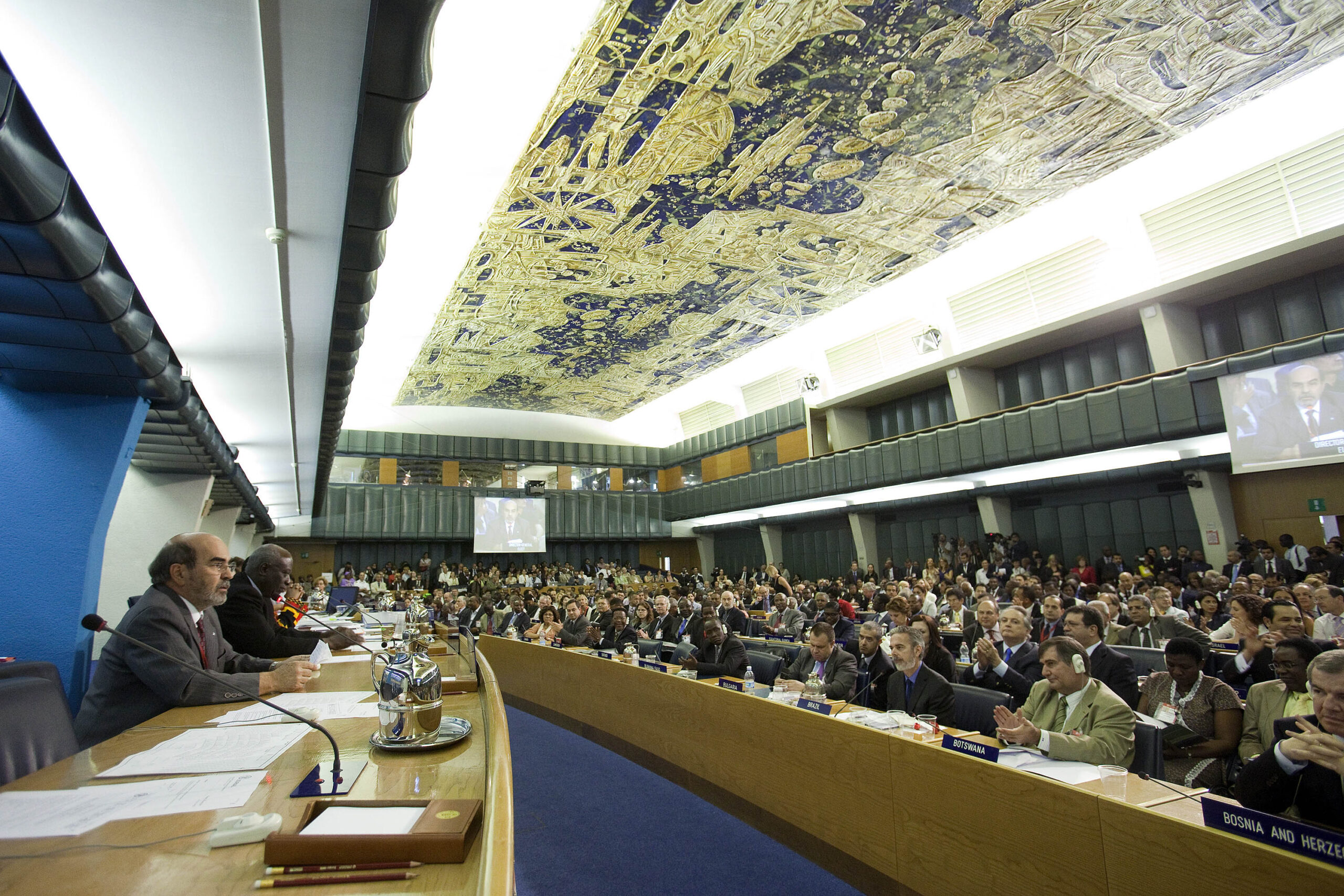
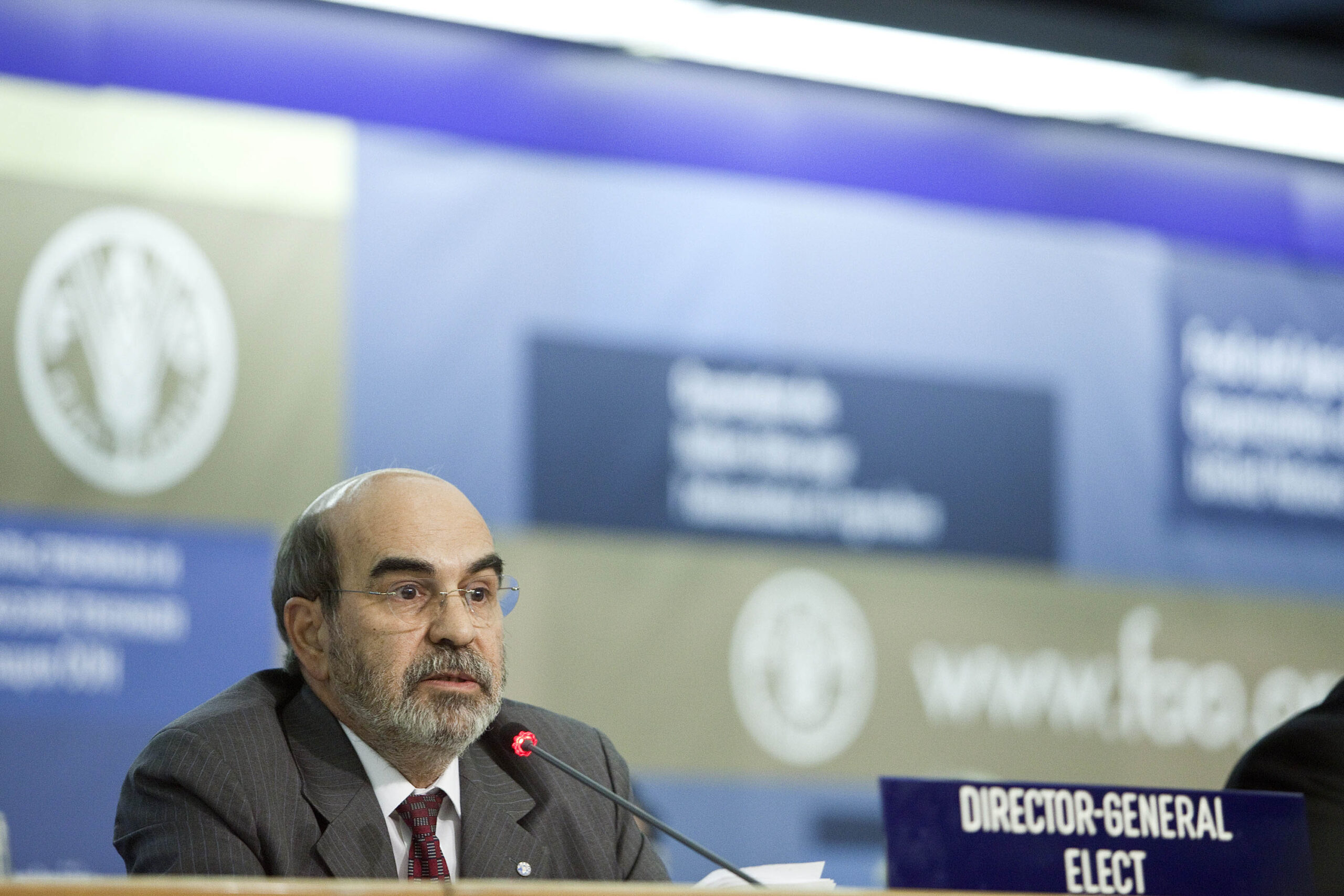
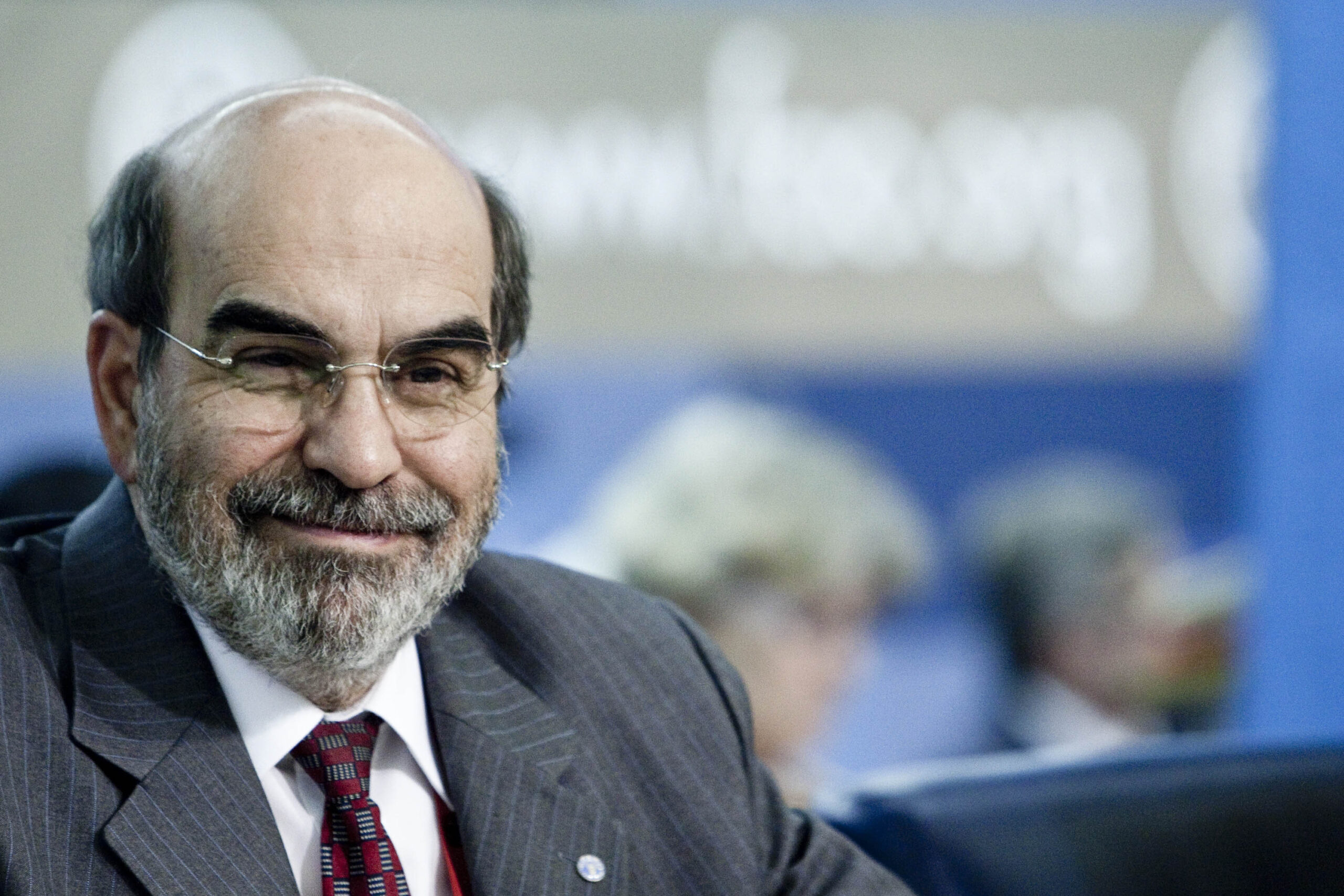
June 26, 2026, marks the fifteenth anniversary of José Graziano da Silva’s election as Director-General of the Food and Agriculture Organization of the United Nations (FAO). In a historic and exceptionally close contest, the Brazilian defeated Spain’s former Minister of Foreign Affairs, Miguel Ángel Moratinos, by just four votes—92 to 88—to become the first Brazilian and the first Latin American to lead the United Nations’ principal agency dedicated to agriculture and food security.
The anniversary carries added significance because, in just one year’s time, FAO Member States will once again choose the organization’s leader for the years ahead. The occasion invites not only a look back at that landmark election in 2011, but also reflection on the political legacy it left for the FAO and for the international debate on hunger, agriculture, and rural development.
The victory of a Brazilian was no isolated event. Rather, it was the outcome of a long diplomatic, political, and technical effort that began toward the end of President Luiz Inácio Lula da Silva’s second term in office. Brazil announced Graziano’s candidacy in 2010, but the international campaign was conducted primarily during the first months of President Dilma Rousseff’s administration, under the leadership of then Foreign Minister Antonio Patriota and coordinated by Ambassador Ruy Pereira, now Director of the Brazilian Cooperation Agency (ABC).
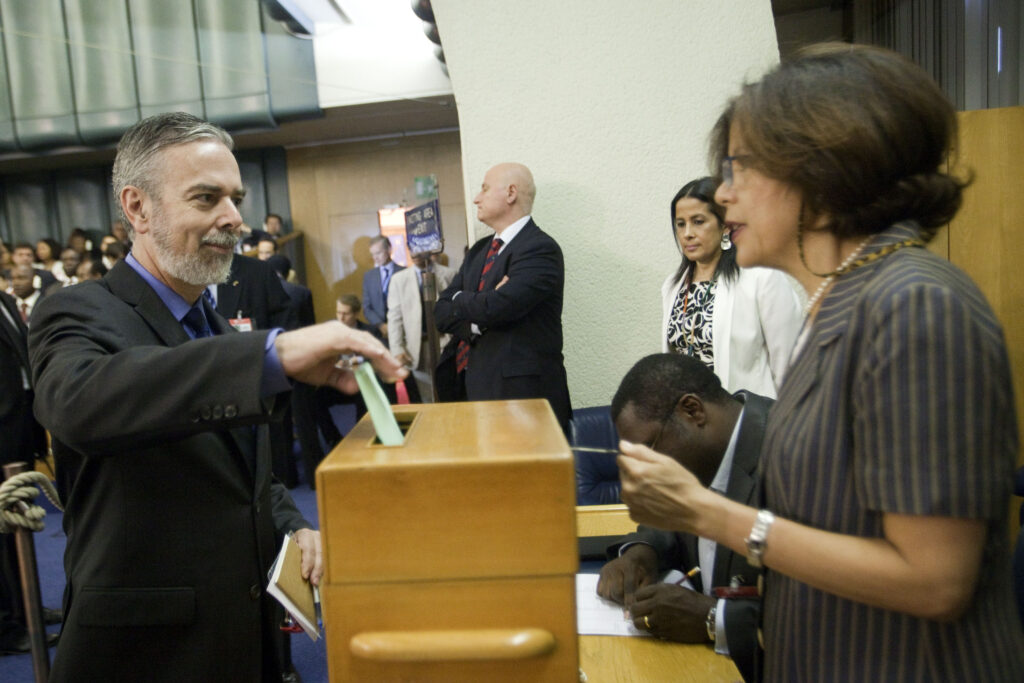
Today, it seems natural to imagine a Brazilian running for—and winning—the leadership of a major international organization. At the time, however, the circumstances were very different. Brazil’s international influence was expanding, driven by the country’s economic dynamism and growing diplomatic prominence throughout the 2000s. Yet it still had little tradition of securing the election of its nationals to the highest positions within the United Nations system. Graziano’s candidacy therefore represented an ambitious bid by Brazilian diplomacy.
The groundwork for that candidacy began long before the vote in Rome. As FAO Regional Representative for Latin America and the Caribbean from 2006 onward, Graziano had already built an extensive network of political contacts across the region and led initiatives that gained international recognition, including the Latin America and the Caribbean Without Hunger 2025 Initiative and the strengthening of Parliamentary Fronts Against Hunger. At the same time, his leadership of Brazil’s Zero Hunger programme gave him unique credentials at a moment when the international community was once again debating the consequences of the 2007–08 global food crisis.
In this regard, one of the campaign’s most important diplomatic moves took place within the Community of Portuguese Language Countries (CPLP). The early support of Portuguese-speaking countries for Brazil’s candidacy—especially Portugal’s endorsement—carried significance well beyond the votes themselves. In practice, it signalled from an early stage that Europe would not unite behind a single candidate to succeed Jacques Diouf. Europe would later divide its support among several contenders, creating the political space for a candidate from the Global South to build a competitive majority.
Another aspect that is seldom recalled today was the extensive mobilization effort carried out beyond Rome. Although the election took place at the FAO Conference, support was secured primarily in national capitals, at United Nations missions in New York and Geneva, and among countries that did not even maintain permanent representation at FAO headquarters. For these governments, often absent from the organization’s day-to-day negotiations in Rome, a dedicated diplomatic effort was required.
Throughout the campaign, coordination between Brazil’s Ministry of Foreign Affairs (Itamaraty), Brazilian embassies, and the campaign team proved decisive. Intensive efforts were made to build closer relations with African, Latin American, Caribbean, and Asian countries, alongside important coordination within the Group of 77 (G77). The final result itself demonstrated the effectiveness of this strategy. In his acceptance speech, Graziano explicitly thanked the Portuguese-speaking countries, the countries of Latin America and the Caribbean, African nations, and the G77 for their support.
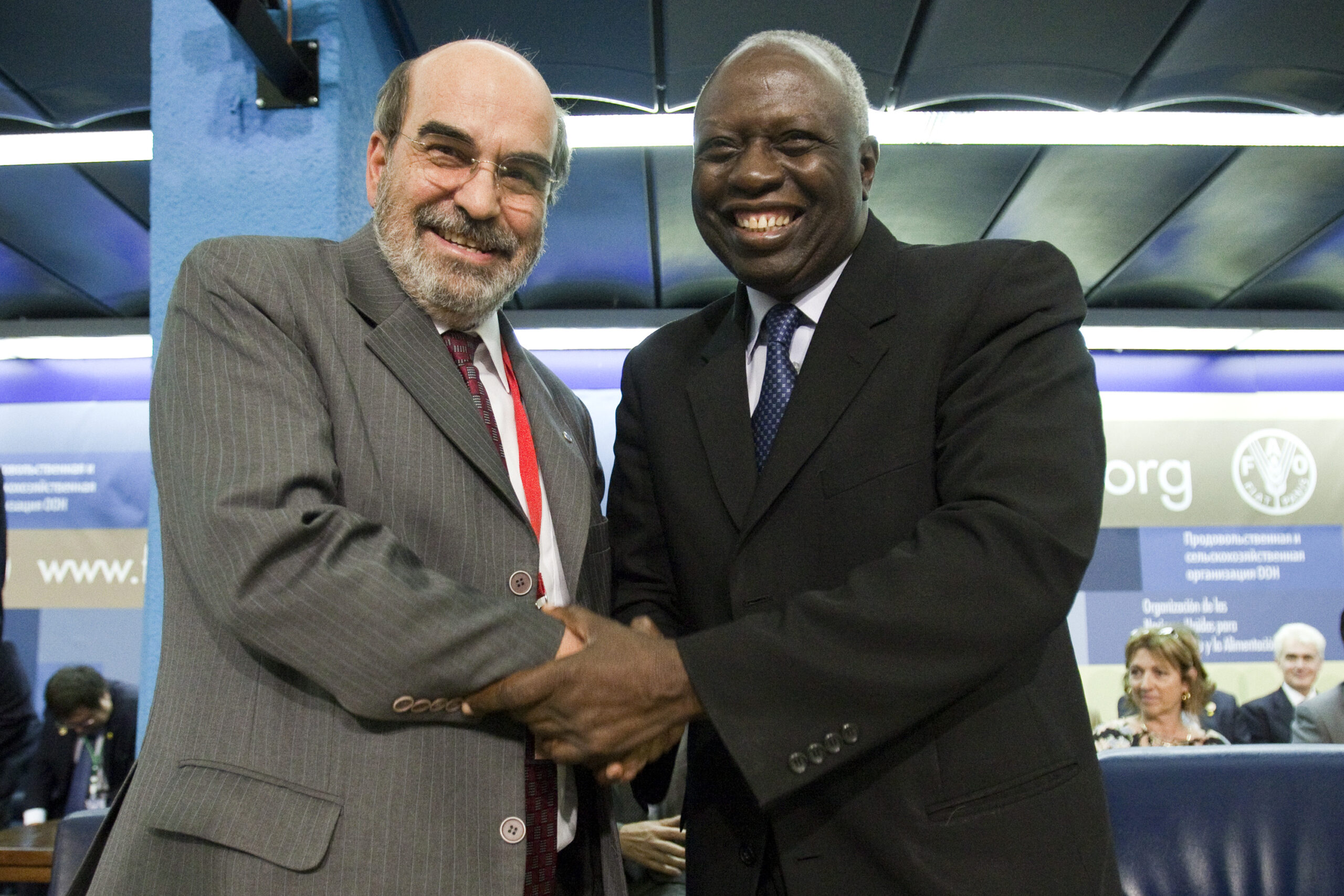
The election also took place during a period of institutional transition within the FAO itself. Jacques Diouf of Senegal was concluding an eighteen-year tenure at the head of the organization, having succeeded another long-serving Director-General, Edouard Saouma of Lebanon. After nearly three decades under only two leaders, Member States had decided to reform the organization’s rules by introducing limits on future terms of office.
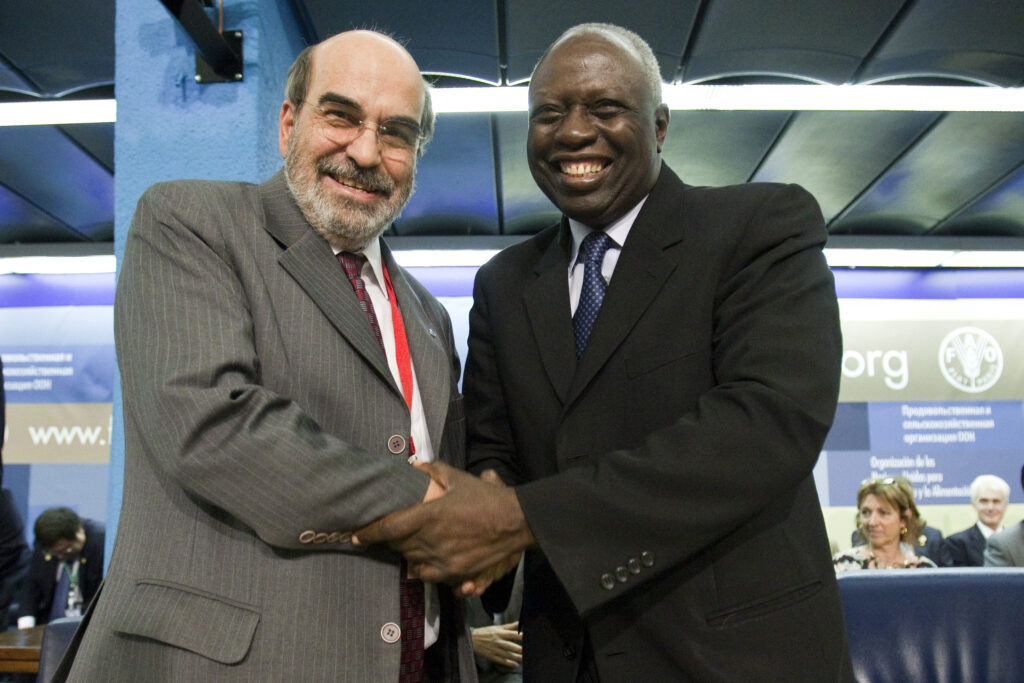
The reform created an unusual situation. Although Graziano was eligible for one re-election, he would never have the same ten—or eighteen—years as his predecessors to implement change. His first term began only on 1 January 2012, following a six-month transition between his election and his assumption of office. Under the organization’s new institutional timetable, even after his re-election in 2015, his total time in office would amount to only seven and a half years.
Yet perhaps the most important element of that campaign was the political message it conveyed.
According to his campaign platform, the FAO needed to place the fight against hunger once again at the centre of its work. Rather than treating hunger merely as an indirect consequence of economic growth or increased agricultural production, Graziano argued that its eradication should become the organization’s explicit and foremost objective.
Alongside this commitment stood a second central priority: strengthening family farming. The Brazilian experience showed that food production, rural poverty reduction, and food security could advance simultaneously when appropriate public policies were directed towards small-scale producers. It is therefore no coincidence that issues such as productive inclusion, rural development, social protection, and the strengthening of family farming gained increasing prominence on the international agenda in the years that followed.
The platform advocated an integrated approach to policies for combating hunger, inspired by Brazil’s Zero Hunger programme. It argued that eradicating hunger required the simultaneous combination of economic growth, job creation, social protection, access to adequate food, and stronger productive capacities among the poorest.
It also emphasized that hunger could not be addressed solely through emergency programmes or by increasing agricultural production. More inclusive food systems were needed—systems capable of ensuring income, creating opportunities, and providing effective access to food for the most vulnerable populations. In this regard, Graziano called for closer cooperation between the FAO, national governments, parliaments, civil society organizations, and international bodies, while strengthening South-South cooperation and promoting the exchange of successful experiences among developing countries.
Another important pillar of his agenda was his commitment to a more open, decentralized, and results-oriented FAO. The programme distributed to Member States emphasized the need to strengthen the organization’s regional and country offices, bringing its work closer to local realities.
It also proposed expanding civil society’s participation in public policymaking, promoting gender equality in rural areas, and ensuring that women farmers had greater access to productive resources, credit, and technical assistance. In one particularly emblematic passage, Graziano stated that the world already possessed sufficient knowledge, technology, and resources to eradicate hunger and extreme poverty, provided there was the political will to make that goal a genuine priority.
This message helped distinguish his candidacy and reinforced the perception that the FAO should once again become an organization capable of mobilizing support around a global cause: building a world free from hunger.
Fifteen years later, it is clear that the 2011 election marked more than the appointment of a new Director-General. It symbolized the definitive return of the fight against hunger to the centre of the global debate on sustainable development. It also helped consolidate the understanding that hunger is neither an inevitable problem nor an exclusively agricultural one, but rather a political, economic, and social challenge requiring commitment from governments and international cooperation.
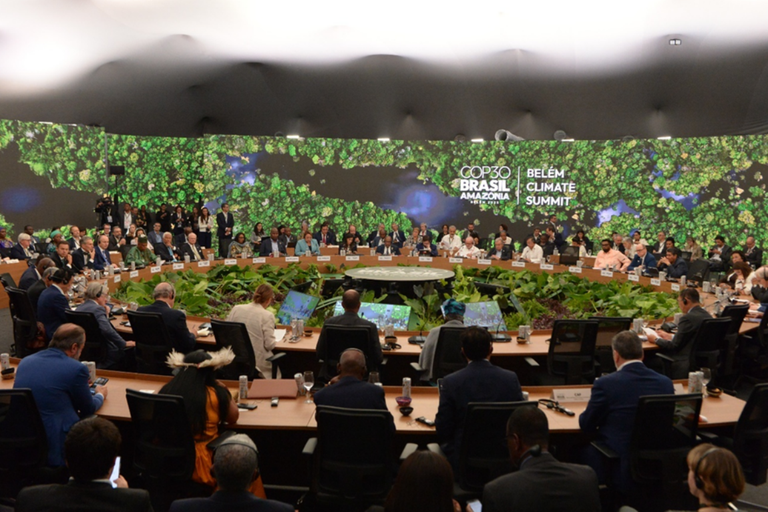
As the organization prepares for another leadership transition in 2027, the question is every bit as relevant today as it was in 2011: what should be the FAO’s primary mission in a world marked by conflict, climate change, persistent inequalities, and growing food insecurity?
The answer that emerged from the June 2011 election remains as relevant today as it was then. Food production remains essential, but the true measure of a food system’s success is still the one advocated by José Graziano da Silva fifteen years ago: ensuring that no one goes hungry.
As long as people continue to be deprived of the human right to adequate food, the fight against hunger will remain the FAO’s most important task.